
Lipids and Nutraceuticals
Summer 2025
Laurence Eyres
The pros and cons of alternative medicine (dietary supplements)
There are advantages and disadvantages of alternative medicine, particularly dietary supplements. Sadly, most people taking alternative medicine do not advise their doctor that they are doing so. For example, many people are trying the medicinal cannabis for aches and pains for which it seems to be particularly effective. However, medical cannabis should not be taken if you are on statins or blood pressure
Niacin (Nicotinamide)-for skin cancer
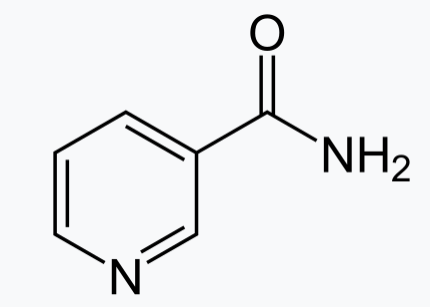
- Nicotinamide (vitamin B3) has a range of photoprotective effects in vitro and in vivo; it is supposed to enhance DNA repair, reduce UV radiation-induced suppression of skin immune responses, and restores cellular energy levels after UV exposure. While nicotinic acid was later investigated for cholesterol management, research shifted to nicotinamide due to its superior tolerability (it does not cause the “flushing” side effect associated with niacin). In recent decades, research has focused on its role in DNA repair, neuroprotection, and as an anti-aging and cancer-preventive agent, particularly for the skin.
Usage
Pharmacological doses of nicotinamide have been shown to reduce actinic keratoses and non-melanoma skin cancer incidence in high-risk individuals, making this a nontoxic and accessible option for skin cancer chemoprevention in this population. There are cream5%-10%) and tablets available from the pharmacy. Worth a try. There have only been a few clinical trials, but a lot of people are trying it with mixed success. I think the cream is working better than the tablets on a clinical trial of one.
Oral nicotinamide (vitamin B3) reduced the number of non-melanoma skin cancers and actinic keratoses by 23 percent over a year in high-risk patients with a history of basal cell or squamous cell carcinoma, according to researchers at the University of Sydney.
One study demonstrated that the combination of genistein, vitamin E, vitamin B3, and ceramide in a topical skincare product could improve certain features of facial skin appearance.
J Dermatol, 2017 Aug;58(3):174-180. doi: 10.1111/ajd.12631.
Side note 50 years ago I did my research on manufacturing nicotinamide from coal tar.
Olive oil for Summer
The polyphenol fraction of extra-virgin olive oil may be partly responsible for its cardioprotective effects. The aim of this systematic review and meta-analysis was to evaluate the effect of high versus low polyphenol olive oil on cardiovascular disease (CVD) risk factors in clinical trials. In accordance with PRISMA guidelines, CINAHL, PubMed, Embase and Cochrane databases were systematically searched for relevant studies. Randomized controlled trials that investigated markers of CVD risk (e.g. outcomes related to cholesterol, inflammation, oxidative stress) were included. Risk of bias was assessed using the Jadad scale. A meta-analysis was conducted using clinical trial data with available CVD risk outcomes. Twenty-six studies were included. Compared to low polyphenol olive oil, high polyphenol olive oil significantly improved measures of malondialdehyde (MD: −0.07µmol/L [95%CI: −0.12, −0.02µmol/L]; I2: 88%; p = 0.004), oxidized LDL (SMD: −0.44 [95%CI: −0.78, −0.10µmol/L]; I2: 41%; P = 0.01), total cholesterol (MD 4.5 mg/dL [95%CI: −6.54, −2.39 mg/dL]; p<0.0001) and HDL cholesterol (MD 2.37 mg/dL [95%CI: 0.41, 5.04 mg/dL]; p = 0.02). Subgroup analyses and individual studies reported additional improvements in inflammatory markers and blood pressure. Most studies were rated as having low-to-moderate risk of bias. High polyphenol oils confer some CVD-risk reduction benefits.
Good quality NZ olive oil has a good concentration of polyphenols around 350 ppm.
George, E. S., Marshall, S., Mayr, H. L., Trakman, G. L., Tatucu-Babet, O. A., Lassemillante, A. C. M., … Marx, W. (2018). The effect of high-polyphenol extra virgin olive oil on cardiovascular risk factors: A systematic review and meta-analysis. Critical Reviews in Food Science and Nutrition, 59(17), 2772–2795. https://doi.org/10.1080/10408398.2018.1470491
PEA-palmitoylethanolamide for pain relief
In the light of increasing evidence for a key role of uncontrolled neuroinflammation in the pathogenesis of common and disabling disorders, targeting non-neuronal cells is emerging as a promising therapeutic strategy. PEA is an endogenous fatty acid amide with protective functions exerted through the downregulation of non-neuronal cells (such as mast cells, microglia, and astrocytes). The prophylactic administration of PEA confirms its protective role. The data reviewed in the referenced paper highlight the effectiveness and safety of PEA in controlling neuroinflammation, once it has been administered in formulations with adequate bioavailability, i.e., micronized or ultra-micronized forms. In the words of the Nobel Prize winner Rita Levi-Montalcini, “The observed effects of Palmitoylethanolamide appear to reflect the consequences of supplying the tissue with a sufficient quantity of its physiological regulator of cellular homeostasis.
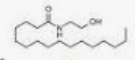
Int. J. Mol. Sci. 2020, 21(24), 9526; https://doi.org/10.3390/ijms21249526
Vitamin D-rickets and other conditions.
Rickets was endemic in Industrial Britain, “dark satanic mills and crap diet”. The disease was confined to Northern Europe and was unknown in Asia. Young people were given rancid cod liver oil which as well as some omega-3 had Vitamin D or at least its precursor. Sunlight already weak in UV in the Northern areas was also filtered by the smog caused by coal burning.
Nowadays even the Southern hemisphere populations can get Vitamin D deficiency due to the prevalence of strong sun creams containing UV filters, Vitamin D supplements are cheap and easy to take with no side effects.
So have a healthy Summer, use Sun block but you may need to allow Vitamin D supplementation.
NZ attendees at the Australasian AOCS meeting 2025
Report from Youwei (Roy) Wang PhD candidate.
“ I attended the 12th AAOCS Biennial Meeting in Melbourne, Australia, from 10–12 November 2025. I delivered an oral presentation titled “Avocado oil extracted with the inclusion of rotten fruit – Impact on oil quality, composition and safety”. My talk focused on how including different proportions of rotten fruit during oil extraction affects avocado oil quality, composition, sensory attributes, and levels of processing contaminants (3-MCPD and glycidyl esters).”
I was honoured to receive the AAOCS Student Travel Award, which supported my attendance and allowed me to present our research to an international audience. The conference provided valuable insights into current trends in oil quality and safety, as well as industry perspectives. It was also a great opportunity to meet researchers from different countries and learn about their approaches.
Overall, the experience broadened my perspective and provided useful ideas for our ongoing work on avocado oil quality and processing.