

Oils and Fats News May/June 2015
Laurence Eyres FNZIFST
AGM/Dinner
29 people attended a most enjoyable evening on May 18th at the Northern Club Auckland. Following some wine appreciation,the current committee were re-elected. The chairman’s report is on the website.
Omega-3 seminar
The programme for this day at the forthcoming NZIFST conference on the 30th June is looking extremely interesting with discussion around the recent controversial University of Auckland supplement study.
The growing UK market for coconut oil (sigh)

Whole Foods, the English high street grocer specialising in healthy and organic produce, had its strongest ever month for coconut oil sales last month. The retailer sold six tons of coconut oil across several brands in the UK. We do not have any data but its apparent that EV CNO sales hear in NZ are also booming.
A nameless marketing spokesperson said “the nation’s improved relationship with saturated fat is behind the sudden boom. “ The march of unreason accelerates.
The Experts response to the saturated fat misinformation
Willett et. al. have argued that “a more inclusive and correct view of available evidence would support the replacement of SFAs with PUFAs”.
Mensink et al also demonstrated that replacement of carbohydrate with lauric, myristic, and palmitic acid increased LDL-cholesterol whilst stearic acid had a neutral effect. Jakobsen et al have also shown that substitution of 5% energy intake from SFA with PUFA clearly led to a decrease risk in coronary and coronary deaths There was a modest association between carbohydrate intake and coronary events when a 5% lower energy intake from SFAs was replaced with an equivalent increase in energy intake from carbohydrates. Dietary patterns that include fruits and vegetables, nuts and seeds, whole grains, and seafood, with a reduction in sodium, and increase in polyunsaturated fatty acids should be promoted.

Canola oil in UK
As a counterpoint to the saturated fat missionaries, extra virgin canola oil sales in the UK are also booming. European and NZ rapeseed oil is now not termed canola due to the fact that so much of the US and Canadian crop is GM.
The Europeans never adopted the name canola. And once genetically modified, herbicide resistant canola seeds were developed in 1995, North American farmers started planting mostly those, while European farmers stuck to the non-GMO rapeseed. (Today, 80-90 percent of the canola sold in the U.S. is GMO, while GMO rapeseed is banned across the European Union.)
Many companies springing up around the U.K. and in other parts of Europe are cold pressing the seeds, just as with a high-quality olive oil. “When you cold press all you’re doing is squeezing the oil out of the seeds very slowly at a temperature of no more than 40 degrees Celsius ,”. “That keeps all the vitamin E and all of the good flavour constituents so long as you choose the right variety of rapeseed.
Many feel it keeps the British farm economy happy as well. In an era of local food love, rapeseed is celebrated as the new “British olive oil.” Perhaps this may happen with NZ rapeseed oil from Canterbury as the crop is around 3000 tonne compared to olive oil at 400 tonne.
Olive oil benefits (From Inform magazine)
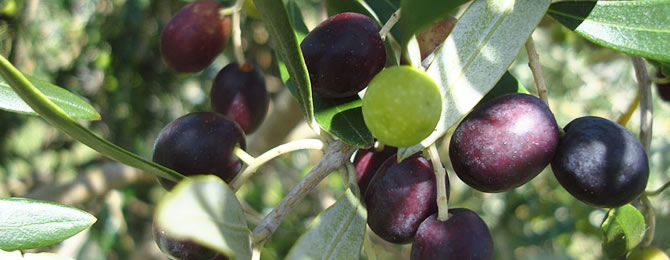
The Mediterranean diet, supplemented with a handful of nuts or a few tablespoons of olive oil a day, can counteract the effects of aging on the brain’s ability to function, a new clinical study suggests. Quality virgin olive oil contains polyphenols and other bioactives which possibly other oils do not have.
The study, in JAMA Internal Medicine, was unusual in that it employed rigorous scientific practices to test the effect of the diet on health. Most previous evidence showing benefits from the Mediterranean diet was gathered through observational studies, a less conclusive research technique.
NB Inform magazine now available to all members even though not members of AOCS.